
Posture and Back Pain are closely connected and play a major role in maintaining overall spine health and daily comfort. Poor posture while sitting, standing, or lifting heavy objects can place excessive strain on the spine, muscles, and joints, leading to chronic back pain, neck pain, stiffness, and even sciatica. Understanding the relationship between posture and back pain is essential for maintaining proper spinal alignment, preventing injuries, and improving quality of life.
As a Senior Spine Surgeon with over 7000+ successful spine surgeries, Dr. Gaurav Khandelwal has treated numerous patients suffering from posture-related spinal problems. This comprehensive guide explains the common causes of back pain, the impact of poor posture on spinal health, and expert tips to improve posture and protect your spine.
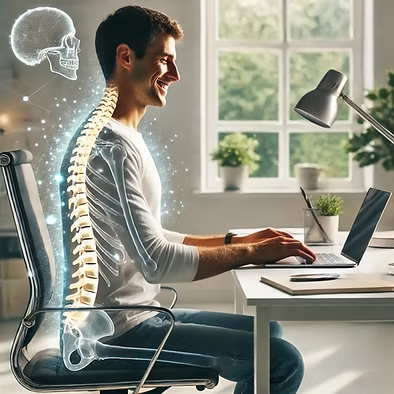
How Posture and Back Pain Are Connected
Good posture supports the natural alignment of your spine, reducing strain on muscles, ligaments, and joints. Poor posture disrupts this alignment and increases pressure on spinal discs and surrounding muscles, leading to discomfort and long-term spinal issues.
Poor posture while sitting or standing for long hours is one of the leading causes of posture and back pain in adults today, especially among office workers and people using digital devices extensively.
Common Causes of Posture and Back Pain
Several daily habits contribute to posture and back pain, including:
- Prolonged sitting without movement
- Slouching while using mobile phones or computers
- Improper lifting techniques
- Weak core muscles
- Poor sleeping posture
- Lack of physical activity
- Herniated discs and sciatica
Identifying these causes early can help prevent long-term spine problems and chronic pain.
Understanding Sciatica and Spinal Nerve Pain
Sciatica is a common spinal condition caused by pressure on the sciatic nerve, which extends from the lower back down the legs. Many patients experiencing posture and back pain may also develop sciatica due to poor spinal alignment and prolonged sitting.
Common Symptoms of Sciatica
- Sharp pain radiating down one leg
- Tingling or numbness
- Burning sensation in the lower back or legs
- Muscle weakness
- Difficulty standing or walking comfortably
Causes of Sciatica
- Herniated discs
- Poor posture
- Extended sitting
- Incorrect lifting techniques
- Degenerative spine conditions
10 Expert Tips for Posture and Back Pain Prevention
1. Maintain Proper Sitting Posture
Sit upright with your shoulders relaxed and feet flat on the floor. Avoid slouching or leaning forward for long periods.
2. Avoid Prolonged Sitting
Take short breaks every 30–60 minutes to stand, stretch, and walk around. Continuous sitting weakens spinal support muscles.
3. Use an Ergonomic Chair
Choose a chair with lumbar support that maintains the natural curve of your lower back and promotes healthy posture.
4. Position Your Screen Correctly
Keep your computer screen at eye level to avoid neck strain and forward head posture.
5. Practice Correct Lifting Techniques
Always bend your knees and keep heavy objects close to your body while lifting to reduce spinal stress.
6. Strengthen Core Muscles
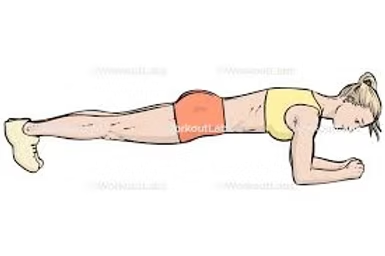
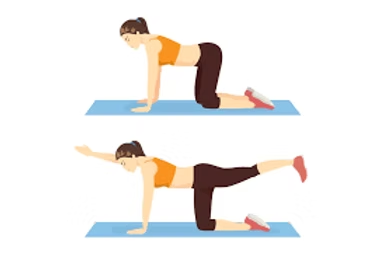
Exercises like planks and Bird Dog exercises strengthen the muscles supporting your spine and improve posture.
7. Stretch Regularly
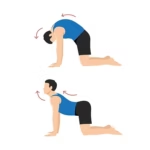
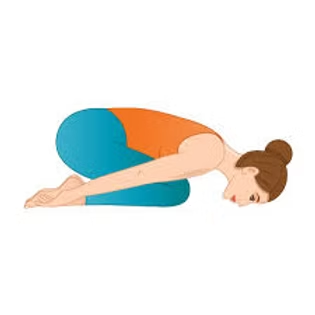
Stretching exercises such as Cat-Cow Stretch and Child’s Pose improve flexibility and reduce muscle stiffness associated with posture and back pain.
8. Maintain Healthy Sleeping Posture
Sleep on a supportive mattress and use a pillow that keeps your neck aligned with your spine.
9. Maintain Healthy Body Weight
Excess body weight increases pressure on the spine and can worsen posture-related back pain and spinal strain.
10. Seek Early Spine Care
Persistent posture and back pain should never be ignored. Early diagnosis and treatment can prevent severe spinal problems and improve recovery outcomes.
Best Exercises for Posture and Back Pain Relief
Regular exercise improves spinal flexibility, posture, and muscle strength.
Cat-Cow Stretch: This yoga movement improves spinal mobility and relieves lower back stiffness.
Child’s Pose: A gentle stretch that relaxes the lower back and improves flexibility.
Planks: Planks strengthen core muscles that support proper spinal alignment.
Bird Dog Exercise: This exercise improves balance, coordination, and spinal stability..
Protecting Your Spine in the Digital Age
With increasing screen time and desk jobs, posture and back pain are becoming more common. Improving workplace ergonomics is essential for protecting spinal health.
Healthy Desk Habits
- Use a sit-stand desk if possible
- Keep elbows at a 90-degree angle
- Maintain eye-level screen positioning
- Avoid bending your neck downward for long periods
When to Seek Medical Help
While mild posture and back pain may improve with lifestyle changes, certain symptoms require professional evaluation:
- Severe or persistent pain
- Numbness or tingling in the legs
- Difficulty walking
- Loss of bladder or bowel control
- Weakness in the legs
Consulting a spine specialist early can prevent complications and improve treatment outcomes.
Final Thoughts
Healthy posture and back pain prevention require consistent daily habits, proper ergonomics, regular exercise, and timely medical care. Small changes in posture and lifestyle can significantly improve spinal health and quality of life.
At Shalby Hospital, Surat, Dr. Gaurav Khandelwal specializes in advanced spine care, minimally invasive spine surgery, sciatica treatment, slip disc treatment, and comprehensive back pain management. If you are experiencing chronic posture and back pain, consult a spine specialist for expert guidance and personalized treatment.
FAQs About Back Pain
Q1: Can poor posture cause back pain?
Yes, poor posture and back pain are closely connected because improper spinal alignment increases pressure on muscles, joints, and spinal discs.
Q2. How can I improve my posture?
Practice sitting upright, strengthen your core muscles, and avoid prolonged sitting.
Q3. What is the best way to prevent sciatica?
Avoid long sitting hours, maintain proper posture, stretch regularly, and lift heavy objects correctly.
Q4. Are exercises helpful for posture and back pain?
Yes, stretching and strengthening exercises can improve posture, reduce stiffness, and support spinal health.
Q5. When should I consult a spine specialist?
If back pain persists, worsens, or causes numbness, weakness, or difficulty walking, consult a spine specialist immediately.flat on the floor. Strengthen your core with exercises like planks to maintain spinal alignment.